Buying a Home? Here's What to Budget for Beyond the Down Payment
Buying a home is exciting, but many buyers—especially first-time homebuyers—are surprised to learn that the down payment isn't the only expense they'll encounter before closing.
When you go under contract on a home in the Chicagoland suburbs, there are several costs you'll want to budget for along the way. The good news is that none of these expenses are hidden. They're simply part of the home-buying process, and knowing what to expect will help you plan with confidence and avoid surprises.
Here's a breakdown of the most common costs buyers encounter after an offer is accepted.
Earnest Money Deposit
An earnest money deposit demonstrates to the seller that you're serious about purchasing the home.
In the Chicagoland market, earnest money typically ranges from 1% to 3% of the purchase price, depending on the price range, market conditions, and the strength of your offer. The amount is negotiable and becomes part of your offer strategy.
The earnest money is not an extra expense. If the transaction closes successfully, the deposit is credited toward your down payment and closing costs.
The deposit may be forfeited only under certain circumstances if a buyer breaches the terms of the contract, which is why understanding your contractual contingencies is so important.
Home Inspection
Even if you're purchasing a home "as-is," a professional home inspection is one of the smartest investments you can make.
A licensed inspector evaluates major components of the property, including:
- Roof
- Foundation
- Electrical system
- Plumbing
- Heating and cooling systems
- Windows and doors
- Structural components
- Appliances
Most general home inspections in the Chicagoland area cost approximately $450 to $700, depending on the home's size, age, and complexity.
The inspection helps you better understand the home's condition and identify repairs or maintenance that may be needed now or in the future.
Specialty Inspections
Depending on the property's age, condition, or inspection findings, additional inspections may be recommended, including:
- Radon testing
- Sewer scope inspection
- Mold inspection
- Structural engineering evaluation
- Chimney inspection
- Well and septic inspections (where applicable)
- Pest inspections
While not every home requires these, they can provide valuable peace of mind before completing your purchase.
Appraisal
If you're obtaining financing, your lender will require an appraisal to verify the home's market value.
The appraisal protects both you and the lender by ensuring the property supports the loan amount.
Appraisals for a typical single-family home in the Chicagoland suburbs generally cost $500 to $800, although luxury homes or unique properties may cost more.
Depending on your lender, this fee may be paid upfront or collected at closing.
Attorney Fees
Unlike many states, Illinois real estate transactions are typically handled with the assistance of a real estate attorney.
Your attorney reviews contracts, negotiates inspection issues, coordinates with the title company, and represents your interests through closing.
Attorney fees generally range from $500 to $1,200, depending on the complexity of the transaction.
Down Payment
Your down payment is the portion of the purchase price you pay upfront.
The required amount depends on your loan program:
- Conventional loans often require 3% to 5% down.
- FHA loans typically require 3.5% down.
- VA loans may require no down payment for qualified veterans.
- USDA loans may also offer zero-down financing in eligible rural areas.
Putting 20% or more down generally eliminates Private Mortgage Insurance (PMI), reducing your monthly mortgage payment.
Your lender can help determine which financing option best fits your goals and financial situation.
Closing Costs
Closing costs include the various fees associated with completing your purchase and transferring ownership.
These commonly include:
- Loan origination fees
- Title insurance
- Title search
- Recording fees
- Attorney fees
- Lender fees
- Prepaid homeowner's insurance
- Prepaid property taxes
- Mortgage interest
- Escrow funding
- HOA transfer fees (when applicable)
In most cases, buyers should budget approximately 2% to 5% of the purchase price for closing costs.
Your lender will provide a detailed Loan Estimate shortly after you apply for your mortgage so you'll have a clearer picture of your expected costs.
Property Taxes and Homeowners Insurance
Your monthly mortgage payment is typically made up of four components:
- Principal
- Interest
- Property Taxes
- Homeowners Insurance
Many lenders collect property taxes and insurance through an escrow account, making one monthly payment that covers all four expenses.
Because property taxes vary significantly from one Chicagoland community to another, we'll review estimated taxes on any home you're considering before you submit an offer.
Homeowners Insurance
Before closing, you'll need to secure a homeowners insurance policy.
Premiums vary based on:
- Home value
- Construction type
- Age of the home
- Claims history
- Coverage selected
Shopping multiple insurance providers can often save hundreds of dollars each year.
Should You Budget for Repairs?
Even well-maintained homes typically require some updates after moving in.
Many buyers forget to budget for:
- Interior painting
- Window treatments
- Furniture
- Appliances
- Landscaping
- Minor repairs
- Locks and security upgrades
Setting aside an additional emergency fund after closing can make homeownership much less stressful.
Can Sellers Help with Closing Costs?
Depending on market conditions, buyers may be able to negotiate seller concessions that help offset closing costs.
Whether this is realistic depends on factors such as:
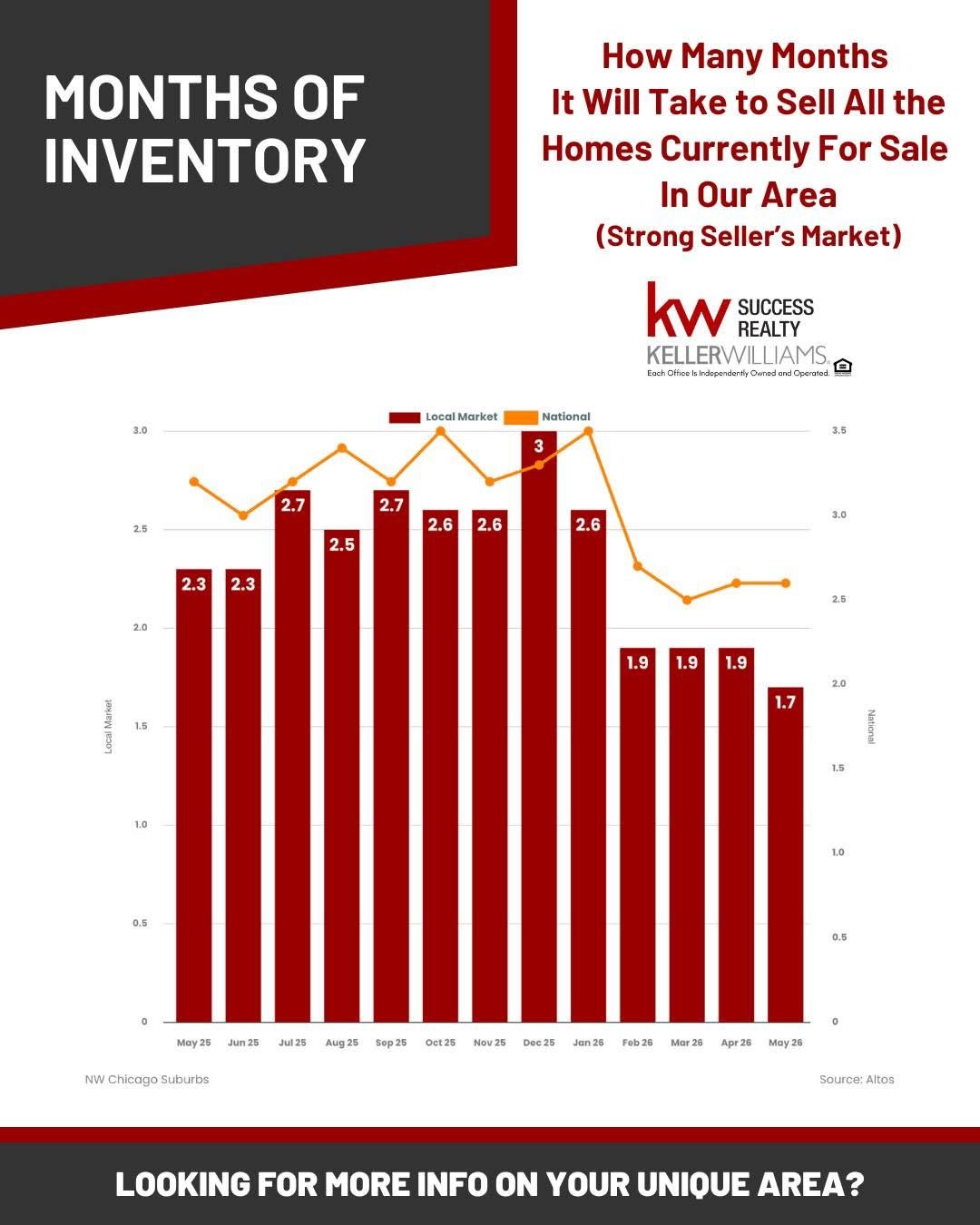
- Local inventory levels
- Market competition
- The home's condition
- The strength of your offer
As experienced negotiators, we'll help determine when requesting seller credits makes strategic sense while keeping your offer competitive.
Budget with Confidence
Buying a home should be exciting—not stressful.
Understanding the costs you'll encounter before closing allows you to plan ahead and move through the buying process with confidence.
As your trusted Chicagoland real estate advisors, we'll walk you through every step of the transaction, explain every expense, and help you avoid surprises from contract to closing.
Whether you're purchasing your first home, moving up, downsizing, or relocating, we're here to make the process as smooth and successful as possible.
Ready to start your home search?
Contact Heidii Smith & Michael Tanzillo of the Tanzillo Home Group at Keller Williams Success Realty to schedule your complimentary buyer consultation. We'll help you understand your financing options, prepare a competitive offer, and confidently navigate every step of buying a home in the Chicagoland suburbs.
Call or Text: 630-659-7440 | 630-901-2168