If you are searching for estate-style living in the Northwest suburbs, Inverness and Barrington will likely rise to the top of your list. Both communities offer space, character, and a sense of arrival, but they deliver that lifestyle in different ways. If you want to understand which setting better fits your daily life, priorities, and long-term plans, this guide will help you compare the two with more clarity. Let’s dive in.
Estate Feel Starts With Land
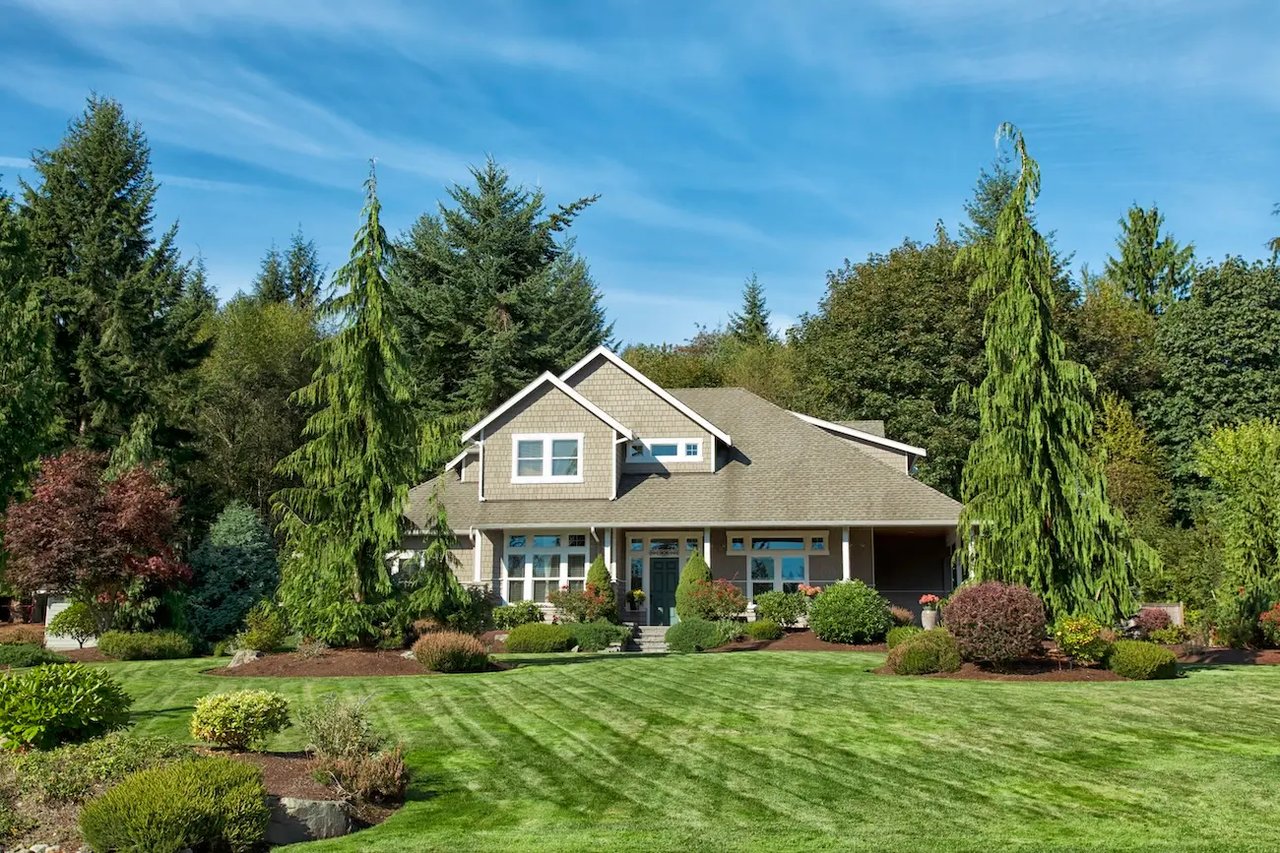
When buyers talk about an "estate feel," they are usually describing more than a large home. They are also noticing lot size, setbacks, road layout, landscaping, and how much privacy the setting creates. In both Inverness and Barrington, those details shape the experience.
Inverness was incorporated in 1962 as a primarily residential village with a country-like vision. Its official history notes that roads were designed to follow natural contours, wooded land and meadows were emphasized, and one-acre minimum lots were established historically. That planning approach still influences how the community feels today.
Barrington offers estate-style living too, but the village has a broader range of residential patterns. The Village of Barrington describes itself as a historic suburb about 40 miles northwest of Chicago and the hub of a 90-square-mile Barrington area. That distinction matters, because some buyers mean the incorporated village when they say Barrington, while others mean the larger surrounding area.
Inverness Offers More Uniform Estate Character
If your top priority is a consistently spacious, low-density setting, Inverness often stands out. Its estate character is reinforced not just by larger lots, but by the way homes are spaced on those lots.
Village zoning memos citing the code show 50-foot front yards in A-1 and A-2 residential districts, along with 25-foot side yards and 50-foot rear yards in A-1. Combined with the village’s history of one-acre lots, those standards support a strong sense of privacy and separation between homes. In practical terms, Inverness tends to feel more uniformly estate-oriented across the village.
That does not mean every property looks the same. It means the overall environment tends to read as wooded, spacious, and intentionally residential. If you want a setting where that character feels consistent from one street to the next, Inverness may be especially appealing.
Barrington Gives You More Variety
Barrington can absolutely deliver estate-style living, especially in its larger-lot areas. In the village’s R-1 single-family district, zoning requires a minimum lot area of 1 acre and a minimum lot width of 150 feet, along with 50-foot front yards, 20-foot interior side yards, and 30-foot rear yards.
At the same time, Barrington also includes R-2, R-3, R-4, and R-5 districts with minimum lot sizes that step down to 20,000, 15,000, 10,000, and 7,500 square feet. That means Barrington includes both estate-scale homes and more compact residential options within the village itself. For buyers, the key takeaway is simple: Barrington offers more housing variety, while Inverness tends to present a more consistent estate-style pattern.
Home Styles And Setting Feel Different
Beyond lot sizes, the visual character of each place is part of the decision. Inverness was developed as a carefully planned residential landscape rather than a traditional grid subdivision. The village history notes that custom homes were built for individual buyers, and exterior appearance and placement were controlled to preserve community character.
That planning legacy often shows up in mature trees, winding roads, and homes that feel tucked into the land rather than lined up on standard suburban blocks. Inverness also highlights tree stewardship today through Tree City USA recognition and a 50/50 Tree Program. For many buyers, that supports a quieter, more secluded atmosphere.
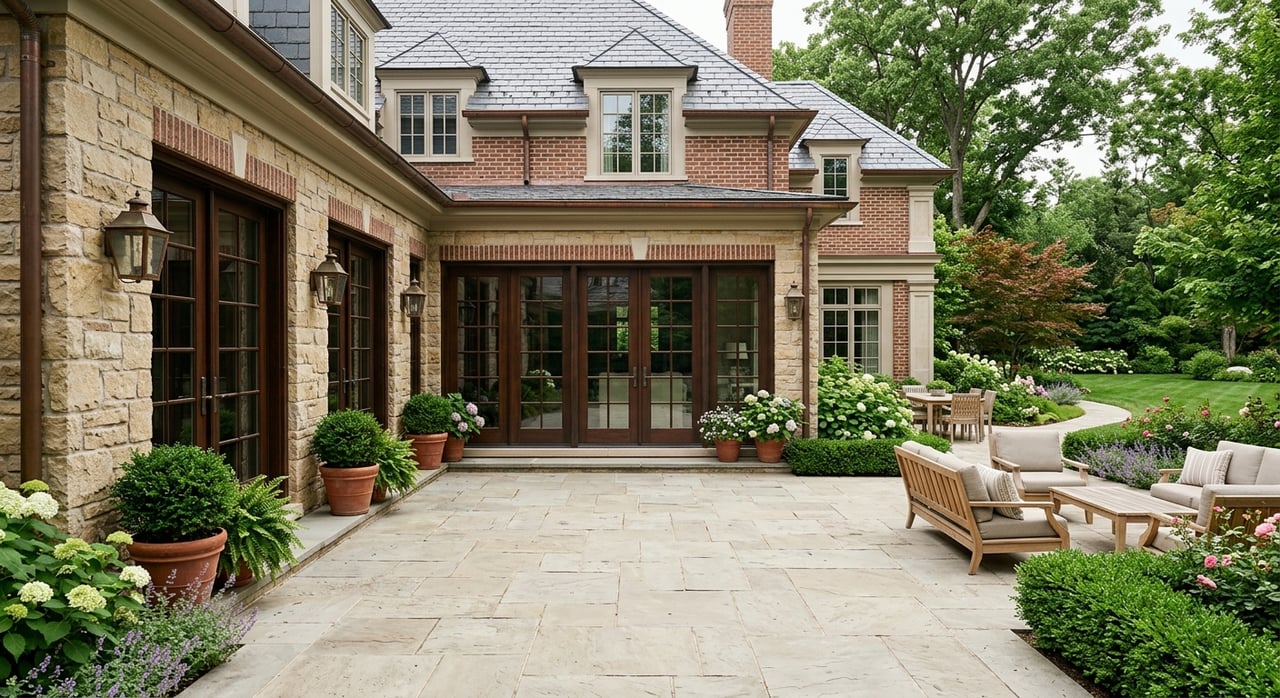
Barrington has a different kind of appeal. Official village history describes it as a countryside retreat for wealthy Chicago businessmen, with an equestrian tradition and wide open spaces that remain part of the area’s identity. The historic district includes architectural styles such as Folk, Craftsman, Victorian, and Queen Anne, which gives parts of Barrington a stronger historic and downtown-adjacent charm.
Privacy Versus Village-Center Energy
One of the clearest differences between these two communities is how they balance privacy and activity. Inverness tends to feel more residential and tucked away, with its identity closely tied to wooded land, natural contours, and lower-density home sites.
Barrington offers privacy in many areas too, but it also brings more of a village-center experience. Because it serves as a regional hub, it blends estate pockets with a stronger civic and historic core. If you want a setting that pairs larger homes and open space with a more defined village center, Barrington may feel like the better match.
If you are deciding between them, it helps to ask yourself what kind of daily rhythm you want. Do you picture a more secluded, private setting, or do you want estate living with easier access to a central downtown and commuter amenities?
Utilities Can Shape Your Lifestyle
Utilities may not sound exciting at first, but they can have a real effect on daily ownership. Inverness states that most homes use private wells and septic systems, although some subdivisions are served by Palatine or Barrington utility systems.
Barrington, by contrast, provides water and sewer service to residents and businesses in Barrington and portions of Inverness and Barrington Hills. For some buyers, municipal utilities feel simpler and more familiar. For others, private systems are part of the appeal of larger-lot living.
This is one of those practical differences that should be part of your home search from the beginning. If your comfort level strongly favors one setup over the other, that may narrow your options quickly.
Commuting Looks Different In Each Community
Your transportation habits may also point you toward one market over the other. Barrington has a Metra station in the village center on the Union Pacific Northwest line, and the village says commuter parking is available.
Inverness residents typically use nearby Metra stations in Barrington and Palatine. The village also notes that it is near I-90 and about 30 miles northwest of Chicago. In everyday terms, Barrington is usually the more direct rail-oriented choice, while Inverness often works better for buyers who are comfortable driving to transit.
If your schedule includes frequent train travel, Barrington’s setup may feel more convenient. If you value privacy first and do not mind a drive-to-transit routine, Inverness may still be the stronger fit.
Market Signals To Watch
Villagewide home value data also gives some useful context, even though it should be read directionally rather than as exact pricing for estate homes. Zillow’s April 30, 2026 housing market pages show Inverness with an average home value of $795,758, up 6.9% year over year, with 21 homes for sale.
Barrington’s average home value was $623,137, up 6.7% year over year, with 33 homes for sale. Those figures suggest Inverness is the tighter and higher-priced villagewide market, while Barrington offers somewhat more inventory and a broader housing mix. That does not make one better than the other, but it does point to different market dynamics.
For buyers, tighter inventory can mean fewer opportunities but stronger alignment with a specific lifestyle. For sellers, a more constrained market can support buyer interest when a home is positioned well. In a broader and more varied market, pricing and presentation become even more important.
Long-Term Appeal In Both Markets
Both communities show a strong commitment to preserving character, which matters for long-term appeal. Barrington’s 2021 Comprehensive Plan prioritizes preservation of character, neighborhood quality, transportation, and open space.
Inverness reflects a similar preservation mindset through its village history, wooded identity, and tree-focused programs. That shared emphasis is one reason both communities continue to attract buyers looking for a more distinctive suburban experience. The difference is not whether either one supports estate-style living. The difference is how that lifestyle shows up on the ground.
Which One May Suit You Best?
If you are drawn to privacy, mature trees, one-acre patterns, and a more consistently low-density setting, Inverness may feel like the clearer choice. It tends to offer a more uniform estate-style environment with a country-like residential character.
If you are looking for estate options along with historic charm, a village-center feel, and more direct rail access, Barrington may be the better fit. Its appeal comes from variety, architectural character, and a broader mix of residential experiences.
The right choice depends on how you want to live, not just what you want to buy. Estate-style living can mean wooded seclusion for one buyer and elegant proximity to a historic village core for another.
If you are weighing Inverness against Barrington, having local guidance can make the search far more efficient. With deep experience across Barrington-area communities and the Northwest suburbs, Heidii Smith can help you compare options, refine your priorities, and navigate the details with confidence.
FAQs
What makes Inverness feel more estate-oriented than Barrington?
- Inverness was historically shaped around one-acre lots, natural road layouts, wooded land, and generous setbacks, which gives much of the village a more consistently spacious and private feel.
Does Barrington still offer estate-style homes?
- Yes. Barrington’s R-1 zoning includes one-acre lots and large setbacks, but the village also has smaller-lot districts, so the housing mix is broader overall.
Are utilities different in Inverness and Barrington?
- Yes. Most Inverness homes use private wells and septic systems, while Barrington provides water and sewer service to residents and businesses in Barrington and portions of Inverness and Barrington Hills.
Is Barrington better for Metra commuting than Inverness?
- Barrington has a Metra station in the village center on the Union Pacific Northwest line with commuter parking, while Inverness residents usually drive to nearby stations in Barrington or Palatine.
Is Inverness more expensive than Barrington?
- Villagewide April 30, 2026 Zillow data shows a higher average home value in Inverness than in Barrington, but those figures are broad market indicators and not exact pricing for estate homes.
How should you choose between Inverness and Barrington for estate-style living?
- Start with your lifestyle priorities. If you want wooded privacy and a more uniformly low-density setting, Inverness may fit better. If you want estate options with historic charm, a central village feel, and easier rail access, Barrington may be the stronger match.