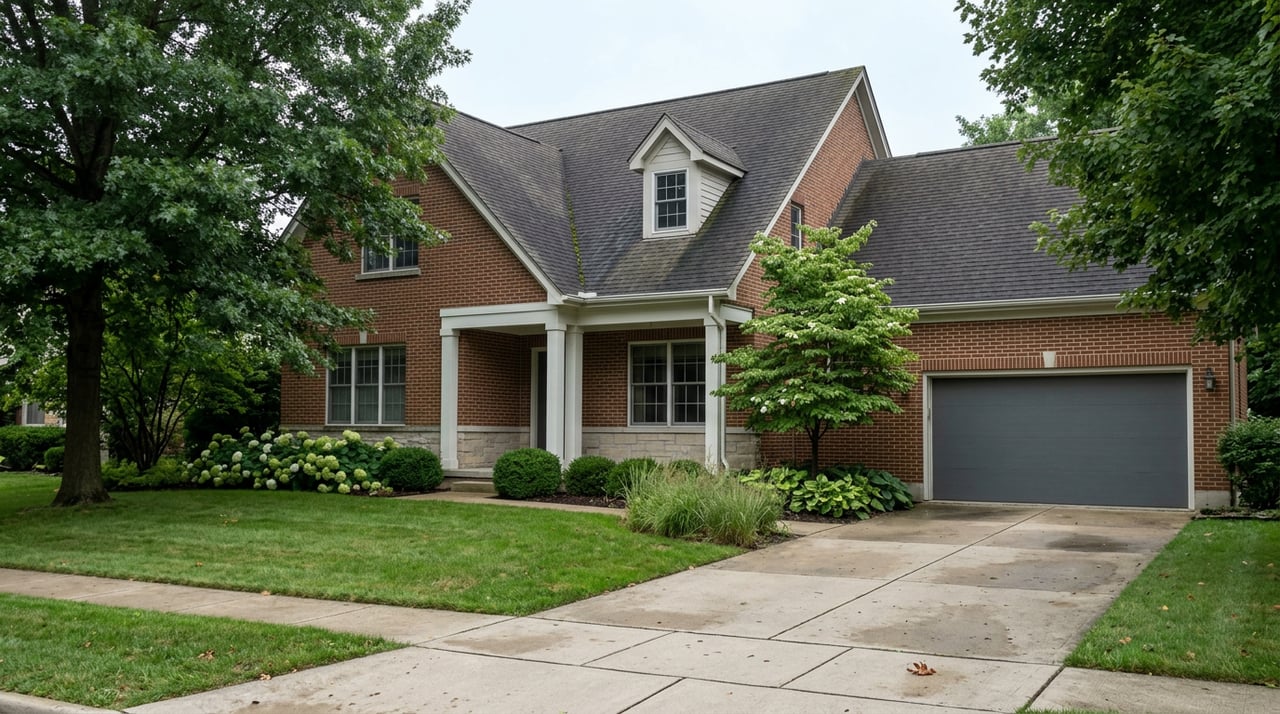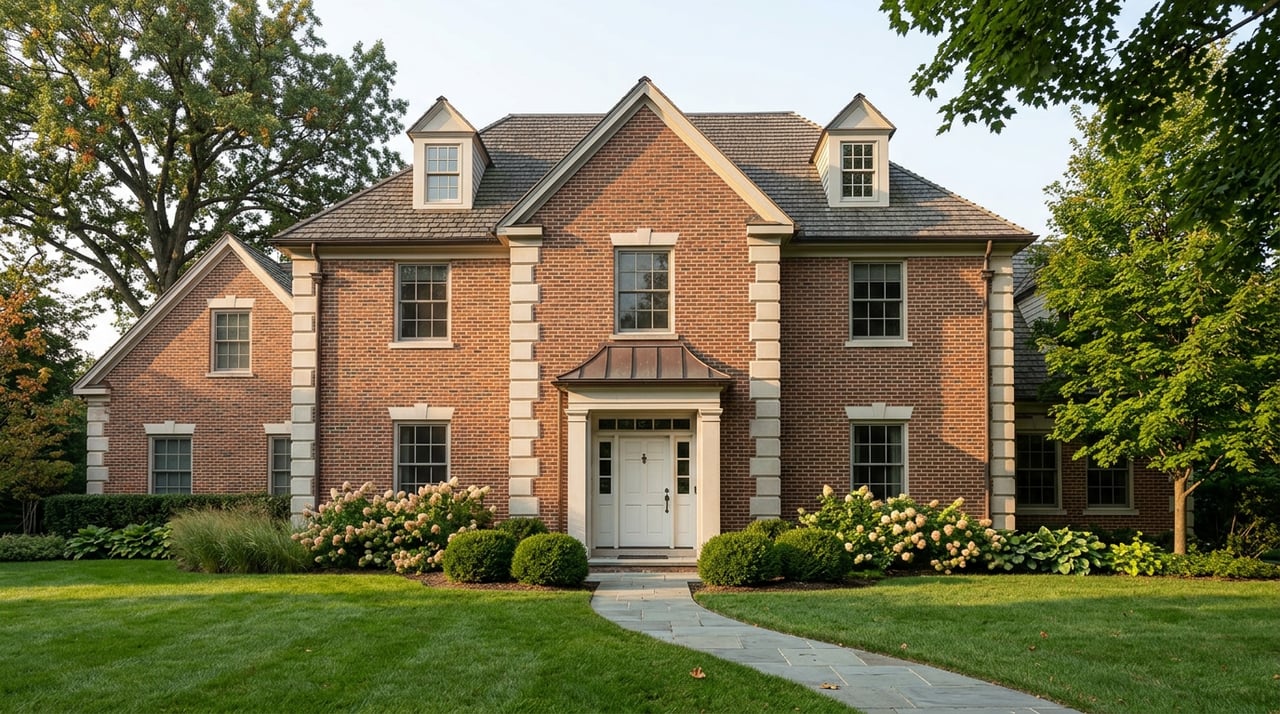
Two buyers touring homes in Barrington this month will see nearly identical numbers on the flyer. Similar square footage, similar age of construction, the same 60010 zip code stamped on both listings, maybe even the same asking price. What neither flyer will say plainly is that one house sits in Cook County and the other sits in Lake County, and that single fact, not the lot size or the finished basement, is what actually determines how the tax bill gets calculated for as long as someone owns the home.
That is not a quirk of one subdivision. It is how the village works.
The village itself is split, not just the surrounding area
The Village of Barrington is direct about this on its own finance pages: property in town is assessed and taxed through either Cook County or Lake County, depending on exactly where the parcel falls within the village boundary. The village keeps separate contact lines for each county's assessor and each county's treasurer, because a homeowner on one side calls a different office than a homeowner a few streets over.
Zoom out from the village proper and the pattern repeats across the wider Barrington area. The village of Barrington Hills states plainly that its own borders cross four counties: Cook, Lake, McHenry, and Kane. County-level property records also show parcels carrying the South Barrington, Lake Barrington, and North Barrington names showing up in tax rolls outside their primary county, which means the overlap is not limited to one outlier village. The name "Barrington" is shared by a cluster of communities, often described locally as a hub connecting seven surrounding towns, and several of them straddle the same invisible lines that split the core village in two.
Buyers comparing "Barrington homes" are frequently comparing four different tax systems wearing one shared name.
What the split actually costs, county by county
Effective property tax rates, meaning the actual annual tax bill measured against a home's market value rather than its assessed value, vary more across these overlapping jurisdictions than most people expect walking in. Based on tax year 2024 figures, the most recent full year available as these county trackers stood in mid-2026, here is how several Barrington-named communities compare depending on which county collects the bill:
Community | County of assessment | Effective tax rate | Median annual bill |
|---|---|---|---|
Barrington | Cook | 1.94% | $9,798 |
Barrington | Lake | 2.37% | $11,178 |
Barrington | McHenry | 2.62% | $16,448 |
South Barrington | Cook | 2.20% | $16,700 |
North Barrington | Lake | 2.18% | $16,416 |
Lake Barrington | Cook | 2.26% | $13,575 |
Barrington Hills | Blended, four counties | 2.51% | $22,923 |
Illinois' statewide median effective rate runs somewhere near 2.3 to 2.4 percent, already among the highest in the country. Notice what that means for the core village: the Cook County portion of Barrington actually lands below the state median, while the Lake County portion sits above it and the McHenry-adjacent portion is well above both. That cuts against the assumption most out-of-state buyers arrive with, that Cook County automatically means the highest tax bill in the region. Here, it is the opposite.
Why the same village produces different math
The reason isn't just differing budgets. Illinois law requires most counties to assess residential property at 33 and one-third percent of fair market value. Cook County does something different: it classifies property by type and assesses the residential class at just 10 percent of fair market value. So a home worth $700,000 gets a wildly different "assessed value" line depending on which county's assessor produces it, not because the home is worth less, but because the underlying math starts from a different base.
Tax rates on each side of the line are set with that ratio in mind, which is why the gap doesn't simply collapse into an obvious Cook-versus-everyone-else split. What actually moves the final number is that every overlapping taxing body, the school district, the park district, the library, the fire protection district, sets its own levy independent of which county cuts the check. Two homes a few blocks apart can answer to entirely different combinations of those levies even while sharing a mailing address.
For a buyer, the practical trap is comparing "assessed value" figures across two listings as if they mean the same thing. They don't, unless the ratio is converted back to a common basis first.
The calendar splits too
Assessment and appeal timing follow the same divided structure. Cook County typically mails assessment notices by mid-April. Lake County's notices tend to arrive by mid-May. Appeal deadlines follow their own separate tracks: North Barrington homeowners, assessed through Lake County, worked against a formal appeal deadline of June 1, 2026 with the Lake County Tax Assessor this year, a date that has no relationship to whatever deadline applies to a Cook County parcel a mile away and that will land on its own schedule again next year.
For anyone closing on a home mid-year, or anyone who already owns property across more than one of these counties, that means tracking two or more separate calendars rather than one. A few things worth checking before writing an offer on a Barrington-area home:
- Confirm which county actually assesses the specific parcel, not just which village or zip code it sits in.
- Ask when that county's assessment notices typically arrive, since it affects when an appeal window opens.
- Compare the effective rate, not the raw assessed value, if weighing two homes assessed by different counties.
- Note the current appeal deadline for that county if there's any concern the assessment doesn't reflect the home's actual condition or value.
Where the money actually lands
Once the bill arrives, most of it is going to one place. School district levies account for roughly 69 percent of a typical Barrington property tax bill, more than every other taxing body combined. Illinois' Property Tax Extension Limitation Law caps how quickly most taxing districts can grow their total levy year over year, generally to whichever is lower: 5 percent or the change in the Consumer Price Index. That cap applies to the district's total revenue request, not to any single homeowner's bill, and a district can only exceed it through a board-declared emergency or a voter referendum.
That distinction matters for anyone budgeting five or ten years out. A stable regional rate doesn't guarantee a stable individual bill if a specific parcel's assessed value climbs faster than the district-wide average allows for, or slower, for that matter.
A few questions worth asking before you tour
Does the county that assesses a home also determine its school district? Not necessarily. School district boundaries are drawn on their own lines and don't always match county borders, so two homes in the same taxing county can still belong to different districts, and two homes in the same district can be assessed by different counties.
If I buy in the Cook County portion of Barrington, will my tax bill always be lower? Not automatically. The current data shows it running below the state median for the core village, but the actual number still depends on the specific school, park, library, and fire levies attached to that parcel, not the county name alone.
When should I find out which county assesses a specific address? Before making an offer, not after closing. A quick check with the relevant county assessor's parcel lookup, or a call to the Village of Barrington's finance office, will confirm it and flag which appeal calendar applies going forward.
Comparing homes across a market this layered takes more than a listing sheet. If you're weighing options across Barrington's overlapping counties and want the tax math explained for a specific address before you write an offer, Heidii Smith has spent decades walking Northwest suburban buyers through exactly this kind of detail. Let's Connect.